Dead Space 2 Coverage Update

While the two stage demos were heavy on action and dramatic flair, the 10 minutes leading up to those parts focused more on the game’s atmospheric and cerebral side. Early on, Isaac starts in the bottom of a big, silo-like room. We’re told he has to get up to a…

Read more

New demo of Mafia II

We recently had a chance to play a new demo of Mafia II–an open-world action game set against the backdrop of organized crime families vying for power in the 1950s. At the beginning of the demo, we saw Vito Scaletta–the game’s lead character–inside of his home just as he receives…

Read more
Metal Gear Solid: Rising

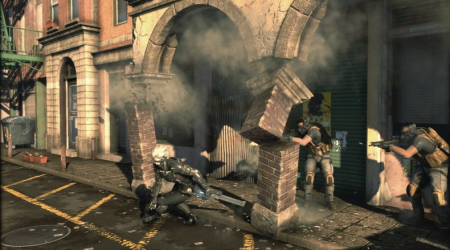
The gameplay mechanics for Rising were made known initially at E3 2010, and are based around a concept known as “zan-datsu”, literally “cut and take.” Matsumaya and Kimura explained in Konami’s press conference that the “take” part revolves around Raiden literally taking power from enemies, a concept shown in the…

Read more


How Performance and Activity Occur Online in the Modern Digital Era

The internet has transformed from a simple information network into a living space where people work, learn, perform, and interact in real time. Today, almost everything we do offline has an online version—meetings, performances, education, business, and even entertainment. Understanding how performance and activity occur online is essential for anyone trying to succeed in the digital world.

The Shift from Physical to Digital Performance

In the past, performance meant being physically present—on a stage, in a classroom, or at a workplace. Now, performance can happen anywhere as long as there is an internet connection. A musician can perform live for thousands of viewers on a streaming platform. A teacher can educate students across different countries through video conferencing. A business can operate entirely through digital tools without a physical office.

This shift has created new opportunities but also new challenges. Online performance requires more than just skill—it requires adaptability to digital tools and audience behavior.

How Online Activities Occur Seamlessly

Online actions happen through a combination of platforms, networks, and user interactions. When someone clicks, streams, uploads, or joins a live session, multiple systems work together in seconds to make it possible.

For example:

  • A video call connects users through cloud servers.
  • A live stream delivers real-time content to thousands of viewers.
  • Social platforms distribute posts based on engagement algorithms.

These processes are invisible to users, but they are the foundation of every online experience.

Skills Needed for Effective Online Performance

To perform effectively in digital spaces, individuals need a mix of technical and soft skills.

1. Digital Literacy
Understanding how platforms work is essential. Whether it's social media, streaming tools, or business software, knowing the basics improves performance.

2. Communication Skills
Online communication lacks physical cues like body language, so clarity in speech and writing becomes even more important.

3. Adaptability
Digital trends change quickly. What works today may not work tomorrow, so continuous learning is necessary.

4. Technical Confidence
From managing a webcam to using collaboration tools, comfort with technology directly impacts online performance.

Challenges of Performing Online

While the online world offers flexibility, it also brings challenges:

  • Connectivity issues can interrupt performance.
  • Distractions at home or remote environments reduce focus.
  • Lack of physical presence can make engagement harder.
  • Information overload can overwhelm both performers and audiences.

Overcoming these challenges requires preparation, discipline, and the right environment.

The Future of Online Performance

As technology evolves, online performance will become even more immersive. Virtual reality, augmented reality, and AI-driven platforms are already changing how people interact digitally. In the future, attending a concert, classroom, or business meeting online may feel just as real as being there in person.

This evolution suggests that online performance is not just a temporary trend—it is the future of human interaction.

Conclusion

Online performance is now a core part of modern life. Whether you are a creator, educator, entrepreneur, or student, your ability to perform effectively in digital spaces will shape your success. By understanding how online systems work and developing the right skills, anyone can thrive in this connected world.


If you want, I can also rewrite this for SEO keywords, make it more technical, or turn it into a shorter social media post version.